How I Turned My Hobby Into a Smarter Investment Game
What if your weekend passion could do more than just bring joy—what if it also helped grow your wealth? I used to see hobbies as pure expenses, until I realized they could be part of a smarter asset allocation strategy. By aligning my interests with long-term financial goals, I started building a more balanced portfolio—without chasing risky trends. This is how I learned to invest in what I love, stay protected, and still make progress toward real financial flexibility. It wasn’t about turning every personal interest into a money-making scheme, but about rethinking how I spent, saved, and valued my time. The shift wasn’t dramatic overnight, but gradual, thoughtful, and surprisingly effective. What began as a way to enjoy weekends evolved into a disciplined approach to personal finance—one where passion and prudence coexist.
The Moment I Saw My Hobby Differently
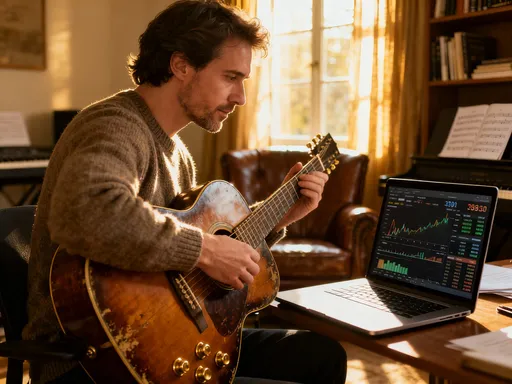
For years, I viewed my guitar collecting habit as a guilty pleasure. Every purchase—whether a vintage acoustic or a limited-edition electric—was recorded in my mind as a cost, not a potential gain. I enjoyed playing, restoring, and learning about the history behind each instrument, but I never considered that some of these items might appreciate in value over time. That changed when I came across an article about the rising market for classic guitars from the 1960s and 70s. One model I owned, purchased nearly a decade earlier for what I thought was a modest sum, had more than tripled in market value. At first, I dismissed it as an anomaly. But the more I researched, the more I saw patterns: certain well-maintained, rare instruments held steady or grew in worth, even during economic downturns.
This realization sparked a fundamental shift in how I viewed my spending. Instead of seeing my hobby purely as consumption, I began to ask: could this be a form of long-term asset building? The idea wasn’t to turn every purchase into an investment, but to recognize that some passions, when pursued with care, can yield both emotional and financial returns. This wasn’t about speculation or trying to beat the stock market. It was about aligning personal joy with financial awareness. I started tracking not just what I spent, but what I owned—its condition, provenance, and market trends. I learned that asset allocation isn’t limited to brokerage accounts and retirement funds. It includes everything we choose to invest in: time, attention, and yes, even weekend pursuits.
The broader lesson was about redefining value. In traditional financial planning, assets are defined by liquidity, income generation, and growth potential. But life isn’t lived solely through spreadsheets. Our sense of well-being, identity, and purpose often comes from non-financial sources. Yet, when those sources—like a collection, a craft, or a skill—can also carry tangible worth, they deserve a place in our financial thinking. The key is balance. I didn’t start buying guitars to flip them for profit. I continued collecting because I loved music. But now, I did so with clearer boundaries, better documentation, and a mindset that blended enjoyment with responsibility. This subtle change made all the difference.
Why Fun Spending Can Be Part of a Smart Portfolio
Most financial advice treats hobbies as unavoidable leaks in a budget. You’re told to minimize dining out, cancel unused subscriptions, and avoid impulse buys. And rightly so—uncontrolled spending erodes savings and delays financial goals. But what if we reframed the conversation? What if, instead of seeing passion-driven spending as inherently wasteful, we acknowledged that some forms of enjoyment can also serve a strategic role in wealth building? The truth is, a well-structured financial life doesn’t require complete sacrifice. It requires intentionality.
Consider the concept of diversification. In investing, we’re taught not to put all our money in one stock or sector. The same principle applies to how we allocate our personal resources. A portfolio that includes only traditional assets—stocks, bonds, real estate—might be financially sound, but it may lack resilience in the face of emotional burnout or life changes. When people feel deprived, they’re more likely to abandon their financial plans altogether. That’s where passion assets come in. These are items or experiences that bring deep personal satisfaction while also holding potential value—such as vintage cameras, rare books, handmade crafts, or even high-quality outdoor gear.
Take the example of a photography enthusiast who invests in professional-grade equipment. On the surface, this looks like a hobby expense. But over time, that gear can be used to generate income through freelance work, sell at a later date for a reasonable return, or even become collectible if it’s a discontinued model. The emotional benefit—creative fulfillment—is immediate. The financial benefit—potential resale value or income generation—may come later. By intentionally allocating a small portion of disposable income to such items, individuals create a hybrid form of wealth that supports both well-being and long-term stability.
Moreover, integrating passion into financial planning reduces the likelihood of impulsive spending. When you have a designated budget for something you love, you’re less likely to make unplanned purchases outside that category. For instance, someone who sets aside $200 per month for art supplies is more mindful about where that money goes. They research, compare, and prioritize quality over quantity. This discipline spills over into other areas of spending. The result isn’t just a collection of brushes or canvases—it’s a cultivated habit of thoughtful consumption. Fun doesn’t disappear; it becomes part of a smarter system.
Balancing Passion and Prudence: The Risk Side
Just because something brings joy doesn’t mean it’s a wise investment. Emotional attachment can cloud judgment, leading people to overpay, hold too long, or ignore warning signs of declining value. This is where risk control becomes essential. Passion assets—whether they’re collectible toys, classic cars, or rare vinyl records—often operate in niche markets with limited liquidity and unpredictable demand. Unlike stocks or bonds, which are traded daily on transparent exchanges, these items depend heavily on trends, condition, and buyer sentiment.
One of the most common pitfalls is the assumption that “because I love it, others will too.” Market value isn’t determined by personal attachment. A vintage synthesizer might be irreplaceable to its owner, but if there’s no active buyer pool, converting it to cash could take months or even years. This lack of liquidity can become a problem if funds are suddenly needed for emergencies or opportunities. Another risk is overconcentration. If a significant portion of one’s net worth is tied up in a single hobby—say, a collection of antique dolls—it creates vulnerability. If the market shifts or interest wanes, the financial impact can be substantial.
To manage these risks, it’s crucial to treat passion assets as secondary to core investments. They should never replace emergency savings, retirement accounts, or diversified portfolios. A practical rule is to limit hobby-related spending to a fixed percentage of disposable income—say, 5% to 10%—and never fund it with debt. Additionally, setting clear exit criteria helps maintain objectivity. For example, decide in advance: if a certain item doesn’t appreciate by a certain percentage within five years, it will be sold. Or, if storage costs exceed a set threshold, it’s time to downsize. These rules aren’t meant to kill joy, but to preserve it by preventing financial strain.
Another key strategy is documentation. Keep records of purchases, appraisals, repairs, and market research. This not only supports insurance claims but also creates a paper trail that encourages rational decision-making. When emotions run high—whether from nostalgia or frustration—having data to refer to can prevent costly mistakes. Ultimately, the goal isn’t to eliminate risk, but to understand and manage it. Passion and prudence aren’t opposites; they’re partners in sustainable wealth building.
Building a Hybrid Asset Mix: Where Fun Fits In
A truly resilient financial plan doesn’t exclude enjoyment—it designs for it. Think of your overall portfolio like a well-balanced diet. You need core nutrients—proteins, carbohydrates, fats—just as you need foundational assets: emergency savings, retirement funds, and diversified investments. But you also need variety, flavor, and personal preference. That’s where passion assets come in. They’re not the main course, but they enrich the experience and make the whole system more sustainable over time.
A practical way to visualize this is through proportional allocation. Imagine dividing your financial life into three layers. The base layer includes essential protections: health insurance, emergency savings, and debt management. This is your financial foundation—the seatbelt in the car. The middle layer holds growth-oriented investments: index funds, retirement accounts, and real estate. This is the engine that drives long-term wealth. The top layer is where passion lives. It might include a curated collection, a workshop for woodworking, or funding for travel with family. This is the music playlist—the part that makes the journey enjoyable.
Each layer serves a purpose, and none should overshadow the others. The key is alignment with personal values. For one person, the top layer might involve restoring classic bicycles. For another, it could be attending culinary workshops or supporting local artisans. The form doesn’t matter as much as the function: to integrate joy into financial planning in a way that feels authentic and sustainable. This approach also supports regular rebalancing. Just as you’d review your stock portfolio annually, you can assess your passion assets. Are they still bringing fulfillment? Have market conditions changed? Is the time commitment still reasonable? These check-ins ensure that your hybrid mix evolves with your life stage and goals.
Tracking both financial and emotional returns is part of this process. While traditional investments are measured in percentages and dollar gains, passion assets can be evaluated through satisfaction, skill development, and social connection. Did learning to restore furniture bring you closer to your children? Did selling a rare record help fund a family vacation? These outcomes may not show up on a balance sheet, but they contribute to overall well-being. A financial plan that ignores them is incomplete. By designing a system that honors both security and meaning, you create a life that feels whole—not just wealthy.
Smart Moves That Keep You Ahead
Long-term success in blending passion with finance comes down to consistent, practical habits. These aren’t flashy strategies or get-rich-quick schemes. They’re simple, repeatable actions that compound over time. The first and most important is research. Before acquiring any passion asset—whether it’s a piece of art, a vintage watch, or a high-end kitchen appliance—take time to understand its market. What factors influence value? How does condition affect price? Are there authentication requirements? The more informed you are, the less likely you are to overpay or fall for scams.
Documentation is another critical habit. Keep receipts, appraisals, photographs, and maintenance logs. This not only protects you in case of loss or damage but also builds a clear history that adds credibility if you ever decide to sell. For collectors, this kind of record-keeping can significantly increase resale value. It signals to buyers that the item has been cared for and verified. In some cases, provenance—the documented history of ownership—can double or even triple an item’s worth.
Another smart move is reinvesting gains. Instead of cashing out and spending hobby-related profits on unrelated items, use them to fund future passion goals. For example, if you sell a camera lens at a profit, put half toward your next photography trip and half into savings. This creates a self-sustaining cycle where your hobby supports itself over time. It also reduces the need to pull money from core budgets, preserving financial stability. Over the years, this practice can transform a hobby from a net expense into a neutral or even positive contributor to your financial picture.
Insurance is often overlooked but vital. High-value passion assets—such as musical instruments, jewelry, or collectible vehicles—should be covered under specialized policies. Standard homeowners or renters insurance may not provide adequate protection for items that exceed certain value thresholds or require specific conditions. A dedicated rider or collector’s policy ensures that if something is lost, stolen, or damaged, you’re not left with an unrecoverable financial and emotional loss. The cost of such coverage is usually small compared to the potential downside, making it a prudent safeguard.
When to Walk Away—And When to Hold On
Not every passion pays off. Some hobbies lose momentum. Markets shift. Interests change. Knowing when to let go is just as important as knowing when to invest. Emotional attachment can make this difficult. We form bonds with our collections, tools, and projects. Letting go can feel like failure or loss. But in financial terms, holding on too long can be more costly than walking away. The concept of opportunity cost applies here: every dollar and hour spent maintaining a declining asset is a dollar and hour not available for something more valuable or fulfilling.
There are clear signs it might be time to downsize or exit. One is declining usage. If you haven’t played that vintage piano in two years, or your craft supplies are gathering dust, the emotional return has likely diminished. Another is rising cost—whether in storage, maintenance, or insurance—that exceeds any potential gain. A third is market evidence: if comparable items are consistently selling below purchase price, and demand shows no signs of recovery, continuing to hold may not be rational.
Walking away doesn’t mean giving up on joy. It means making space for new forms of fulfillment. Maybe the money from selling a collection funds a home renovation that brings the family closer together. Or perhaps downsizing frees up time to focus on health, relationships, or a new skill. The decision should always link back to overall financial health and life priorities. It’s not about maximizing profit, but about maintaining balance. Sometimes, the most powerful financial move is simplification.
That said, there are also times to hold on. If an asset continues to bring deep satisfaction, has stable or growing value, and fits within your broader financial plan, there’s wisdom in patience. The key is regular evaluation. Set calendar reminders to review your passion holdings annually. Ask honest questions: Does this still matter to me? Is it well-maintained? Does it align with my current goals? These reflections prevent inertia from dictating decisions. Whether you choose to sell, keep, or pass something on, do so with intention.
Putting It All Together: A Lifestyle That Grows With You
True financial success isn’t measured solely by account balances or net worth. It’s reflected in peace of mind, freedom of choice, and the ability to live in alignment with your values. What I’ve learned through turning my hobby into a smarter investment game is that smart allocation isn’t cold or robotic. It’s deeply personal. It’s about designing a financial life that doesn’t ask you to suppress who you are, but to integrate your passions in a way that supports long-term security.
The journey wasn’t about becoming a collector-investor or chasing high returns. It was about shifting perspective—from seeing spending as loss to viewing it as potential. From treating hobbies as distractions to recognizing them as part of a holistic wealth strategy. By setting boundaries, tracking value, and staying disciplined, I found a way to enjoy what I love without compromising my future. And in doing so, I built not just a portfolio, but a life that feels balanced, meaningful, and ready for whatever comes next.
This approach isn’t about perfection. It’s about progress. It allows room for change, growth, and even mistakes. Because at its core, personal finance isn’t just about money. It’s about building a life that feels sustainable, joyful, and truly your own.