What My Body Taught Me: Navigating Menopause the Natural Way
Menopause isn’t an illness—it’s a natural shift, yet so many of us feel lost when it arrives. One day you're fine; the next, you're sweating through your sheets or feeling unlike yourself. I’ve been there. After years of confusion, I learned that balance isn’t about fixing symptoms, but understanding what true wellness looks like during this phase. It’s not about quick fixes—it’s about setting a new health standard that works *with* your body. This journey isn’t about resisting change, but about listening deeply, adapting wisely, and honoring the wisdom that comes with age. The truth is, menopause doesn’t mark decline—it marks transition, and with the right approach, it can become one of the most empowering chapters of a woman’s life.
Understanding the Menopause Transition
Menopause is defined as the point in a woman’s life when she has not had a menstrual period for 12 consecutive months, typically occurring between the ages of 45 and 55. The years leading up to this milestone, known as perimenopause, can begin as early as the mid-30s or early 40s and often last four to eight years. During this time, the ovaries gradually produce less estrogen and progesterone, the hormones responsible for regulating menstruation and supporting reproductive health. These hormonal shifts are not signs of malfunction, but rather a natural progression—much like puberty marked the beginning of fertility, menopause marks its conclusion.
Despite its universality, menopause is frequently misunderstood. Many women are led to believe that this phase represents a hormonal “deficiency” that must be corrected, often through medical intervention. While hormone therapy can be appropriate for some, framing menopause as a disease perpetuates fear and undermines a woman’s ability to trust her body. The reality is that declining estrogen is not abnormal—it is expected. The symptoms that arise are not random malfunctions, but signals from a body recalibrating itself. Recognizing this distinction is crucial. When women understand menopause as a normal life stage, rather than a medical problem, they are more likely to approach it with curiosity and compassion, not dread.
Another common misconception is that menopause should be invisible or silent—that women should “just get through it” without speaking up. But silence only deepens isolation. In truth, up to 75% of women experience moderate to severe symptoms, according to data from the North American Menopause Society. These include hot flashes, sleep disturbances, mood fluctuations, and cognitive changes. By reframing menopause as a shared human experience rather than a personal failing, women can begin to seek support, share stories, and reclaim agency over their health. Education, empathy, and empowerment form the foundation of a more balanced transition.
Recognizing the Signs: When Your Body Sends Signals
The body rarely announces change without warning, and menopause is no exception. Long before periods stop completely, subtle shifts begin to surface. A woman might wake up one night drenched in sweat, puzzled by the sudden heat wave that engulfs her. Another may notice her once-steady mood now feels fragile, with irritability or anxiety arising over small things. Still others report unexplained fatigue, even after a full night’s sleep, or a creeping weight gain around the midsection despite no changes in diet or exercise. These are not signs of weakness—they are messages.
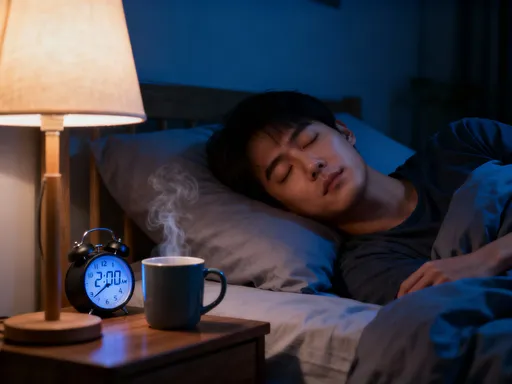
Hot flashes, one of the most well-known symptoms, occur when fluctuating estrogen levels disrupt the hypothalamus, the part of the brain that regulates body temperature. The body mistakenly senses overheating and triggers a rapid cooling response—flushing, sweating, and increased heart rate. While they typically last from 30 seconds to several minutes, their frequency and intensity vary widely. For some, they occur a few times a week; for others, multiple times a day. Night sweats, the nighttime version of hot flashes, can severely disrupt sleep, leading to chronic fatigue and difficulty concentrating during the day.
Mood changes are equally common but often overlooked. Hormonal fluctuations affect neurotransmitters like serotonin and dopamine, which play key roles in emotional regulation. This can lead to increased sensitivity, low mood, or episodes of anxiety. Many women describe feeling “like themselves, but not quite.” Memory lapses—sometimes called “brain fog”—are also frequently reported. Women may struggle to find words, forget appointments, or feel mentally sluggish. While these changes can be unsettling, they are typically temporary and improve over time.
Equally important is the shift in metabolism. As estrogen declines, the body tends to store more fat, particularly around the abdomen. Muscle mass may decrease, and energy levels can dip. These changes are not a reflection of poor discipline, but of biological adaptation. Recognizing symptoms as interconnected responses—not isolated problems—helps women respond with care rather than criticism. Each signal is an invitation to listen, adjust, and support the body through its transformation.
Redefining Health Standards After 40
For decades, women are taught to measure health by youth-centric standards: weight, appearance, and productivity. But these metrics become increasingly misleading after 40. The body changes—not because it is failing, but because it is evolving. To thrive during and after menopause, women must redefine what wellness means. This begins with letting go of outdated ideals and embracing new markers of health: metabolic flexibility, hormonal resilience, and emotional stability.
Metabolic flexibility refers to the body’s ability to switch between burning carbohydrates and fats for energy. As insulin sensitivity declines with age, maintaining this flexibility becomes essential for managing weight, energy levels, and blood sugar. Women who eat balanced meals, stay active, and prioritize sleep tend to preserve this function longer. Hormonal resilience, on the other hand, describes how well the body adapts to hormonal fluctuations without severe symptoms. This is influenced by lifestyle factors such as stress management, nutrition, and sleep quality. Emotional stability—often overlooked—reflects a woman’s ability to navigate mood shifts with self-awareness and calm, rather than reactivity.
These new standards shift the focus from appearance to function. Instead of asking, “How do I look?” women are encouraged to ask, “How do I feel? Do I have steady energy? Can I recover quickly from stress? Am I sleeping well? Do I enjoy my life?” These questions provide a more accurate picture of well-being. A woman may weigh more than she did at 30 but feel stronger, calmer, and more vibrant than ever. That is success.
Assessing health holistically also means moving beyond the scale. Body composition—muscle versus fat—matters more than total weight. Bone density, blood pressure, and markers like HbA1c (a measure of long-term blood sugar control) offer more meaningful insights than a number on a scale. When women track these indicators and honor their body’s changing needs, they build a sustainable foundation for long-term vitality. This redefinition is not about lowering standards—it’s about raising awareness.
Nutrition That Supports Hormonal Balance
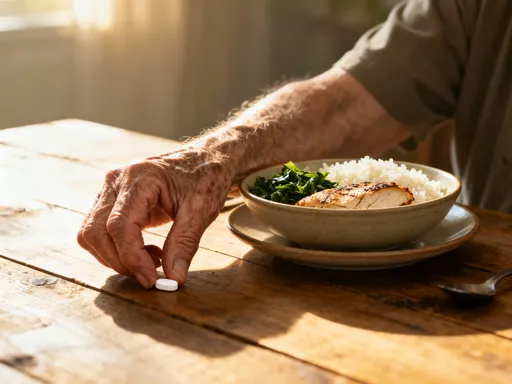
Diet plays a foundational role in managing menopausal symptoms and supporting long-term health. The foods a woman eats can either calm or amplify hormonal fluctuations. The goal is not strict restriction, but nourishment—choosing whole, nutrient-dense foods that stabilize blood sugar, support liver function, and provide the building blocks for hormone production. A balanced plate includes fiber-rich vegetables, quality protein, healthy fats, and complex carbohydrates.
Blood sugar regulation is especially important. When blood sugar spikes and crashes, it can trigger hot flashes, mood swings, and cravings. Eating meals that combine protein, fiber, and healthy fats slows digestion and prevents these swings. For example, a breakfast of eggs with avocado and sautéed spinach provides sustained energy, while a sugary cereal leads to a quick rise and fall. Choosing low-glycemic carbohydrates like sweet potatoes, lentils, and quinoa helps maintain steady energy throughout the day.
Phytoestrogens—plant compounds that weakly mimic estrogen—are another key dietary component. Found in foods like soybeans, lentils, chickpeas, and flaxseeds, they may help ease symptoms by binding to estrogen receptors in the body. Research, including studies published in *The Journal of Nutrition*, suggests that women who consume moderate amounts of phytoestrogen-rich foods often report fewer hot flashes and improved bone health. Ground flaxseeds, in particular, are a valuable addition, offering both phytoestrogens and omega-3 fatty acids, which support brain and heart health.
Hydration is equally vital. Dehydration can worsen fatigue, brain fog, and constipation—common concerns during menopause. Drinking water throughout the day supports digestion, skin elasticity, and temperature regulation. At the same time, reducing caffeine and alcohol can significantly improve symptoms. Caffeine may trigger hot flashes and disrupt sleep, while alcohol affects liver detoxification and can contribute to weight gain. Moderation is key—many women find that cutting back to one cup of coffee or one drink per day makes a noticeable difference. Mindful eating—paying attention to hunger cues, chewing slowly, and avoiding distractions—also enhances digestion and satisfaction.
Movement as Medicine: Finding Your Rhythm
Physical activity is not about punishment or shrinking the body—it is about strength, stability, and self-care. During menopause, movement becomes even more essential. It supports joint health, maintains muscle mass, improves mood, and helps regulate metabolism. The best exercise routine is one that feels sustainable and enjoyable, not exhausting or punitive.
Strength training deserves special attention. After 40, women naturally lose 3–8% of muscle mass per decade, a process that accelerates during menopause. Since muscle tissue burns more calories at rest than fat, losing muscle slows metabolism. Resistance exercises—using body weight, dumbbells, resistance bands, or machines—help preserve and even build muscle. Just two to three sessions per week can make a significant difference. Activities like squats, lunges, push-ups, and rows improve functional strength, making daily tasks easier and reducing injury risk.
Low-impact cardio, such as brisk walking, cycling, or swimming, supports heart health and endurance without stressing the joints. These activities also boost endorphins, the body’s natural mood lifters, which can help manage anxiety and low mood. Even a 20-minute walk after dinner can improve digestion, lower blood sugar, and promote better sleep. Flexibility and balance work—through yoga, stretching, or tai chi—complement these efforts. They enhance posture, reduce stiffness, and calm the nervous system, which is especially helpful during times of hormonal flux.
Consistency matters more than intensity. A daily 15-minute walk is more beneficial than an occasional hour-long workout followed by days of soreness. The key is rhythm—finding a routine that fits into real life. Women who view movement as a form of self-respect, rather than a chore, are more likely to stick with it. Over time, regular activity builds not just physical strength, but emotional resilience.
Sleep, Stress, and the Hidden Triggers
Two of the most powerful influencers of menopausal well-being are often overlooked: sleep and stress. When either is disrupted, symptoms tend to worsen. Poor sleep amplifies hot flashes, impairs cognitive function, and increases emotional reactivity. Chronic stress, meanwhile, elevates cortisol, the body’s primary stress hormone, which can interfere with estrogen and progesterone balance. Over time, high cortisol contributes to abdominal weight gain, low energy, and weakened immunity.
The relationship between stress and hormones is cyclical. Hormonal changes can make women more sensitive to stress, and stress, in turn, worsens hormonal imbalance. This creates a feedback loop that can feel difficult to break. The solution lies in nervous system regulation—practices that signal safety to the body and reduce cortisol production. Simple, science-backed habits can make a profound difference.
Creating a wind-down routine is essential. This might include turning off screens an hour before bed, sipping herbal tea like chamomile or passionflower, reading a book, or practicing gentle stretching. Keeping the bedroom cool, dark, and quiet supports better sleep, especially for those experiencing night sweats. Breathwork is another powerful tool. Techniques like diaphragmatic breathing or the 4-7-8 method (inhale for 4, hold for 7, exhale for 8) activate the parasympathetic nervous system, promoting relaxation.
Digital detoxing—limiting screen time, especially in the evening—reduces mental stimulation and blue light exposure, both of which interfere with melatonin production. Mindfulness practices, such as meditation or journaling, help women process emotions and reduce rumination. These habits are not luxuries—they are foundational to hormonal harmony. When the nervous system is calm, the body can repair, restore, and rebalance more effectively.
When to Seek Support: Bridging Self-Care and Professional Guidance
While natural approaches can significantly improve menopausal well-being, they are not a substitute for professional medical care. There is no one-size-fits-all path, and every woman’s experience is unique. Some may find relief through lifestyle changes alone, while others may benefit from additional support. Knowing when to seek help is a sign of strength, not failure.
Healthcare providers play a vital role in ruling out other conditions that may mimic menopausal symptoms, such as thyroid disorders, anemia, or sleep apnea. They can also help interpret hormone levels through blood or saliva testing, though these should be considered alongside symptoms, not in isolation. For women with severe hot flashes, vaginal dryness, or bone loss, hormone therapy may be a safe and effective option. Non-hormonal treatments, such as certain antidepressants or gabapentin, may also be prescribed to manage specific symptoms.
The goal is collaboration. Self-care and medical guidance are not opposing forces—they are complementary. A woman who eats well, exercises, and manages stress is better equipped to respond to medical treatments. Likewise, a woman who uses hormone therapy can enhance its benefits by maintaining a healthy lifestyle. Open, honest conversations with a trusted provider—whether a gynecologist, primary care physician, or integrative health practitioner—are essential. Women should feel empowered to ask questions, share concerns, and advocate for personalized care.
It’s also important to recognize that menopause can bring emotional and psychological shifts. Some women experience grief over the end of fertility or changes in identity. Talking to a therapist or joining a support group can provide valuable space for reflection and healing. No woman should feel she has to navigate this transition alone.
Conclusion: Embracing the Next Chapter with Confidence
Menopause is not an ending—it is a redefinition. It invites women to shift from symptom management to holistic well-being, from resistance to alignment. The body is not breaking down; it is rebalancing. By understanding the natural transition, recognizing the signals, and adopting supportive habits, women can move through this phase with grace and strength.
True wellness after 40 is not about clinging to youth, but about cultivating resilience, clarity, and inner peace. It is about nourishing the body with real food, moving with purpose, sleeping deeply, and managing stress with intention. It is about redefining health on one’s own terms and setting a new standard that honors the wisdom of experience.
This chapter does not have to be turbulent. With awareness, compassion, and the right tools, it can be transformative. Menopause is not something to survive—it is something to embrace. By listening to the body, trusting its rhythms, and caring for it with knowledge and kindness, women can step into the next phase of life not with fear, but with confidence, vitality, and hope.