How I Found Calm and Strength Through Qi Gong—A Simple System That Works
Have you ever felt drained, even after a full night’s sleep? I did—until I discovered the quiet power of Qi Gong. This ancient practice isn’t about intense workouts or quick fixes. It’s a gentle, systematic way to rebuild energy, focus, and balance from within. Backed by centuries of tradition and growing scientific interest, Qi Gong teaches us to move with intention, breathe with awareness, and live with more vitality. Here’s how it quietly transformed my daily life—and can help yours too.
The Hidden Burnout No One Talks About
Many women in their thirties, forties, and fifties carry a kind of fatigue that doesn’t show up on blood tests. It’s not illness, but a slow erosion of energy—a constant low hum of stress, mental fog, and emotional weariness. You may sleep enough, eat well, and manage responsibilities, yet still feel like you’re running on empty. This state, often called “hidden burnout,” is increasingly common in modern life. It’s not caused by one dramatic event, but by years of juggling family, work, and personal needs without adequate recovery.
What makes this type of exhaustion so hard to resolve is that conventional solutions often miss the root cause. Drinking more water, taking supplements, or squeezing in a weekly workout might help slightly, but they don’t address the deeper imbalance in the nervous system. The body becomes stuck in a cycle of low-grade alertness—neither fully rested nor fully active. This is where Qi Gong steps in, not as another task to add to your list, but as a system designed to restore internal harmony.
Unlike quick fixes that promise immediate results, Qi Gong works gradually by retraining the body’s energy systems. It doesn’t rely on intensity or speed, but on consistency and awareness. The practice helps shift the nervous system from a state of constant readiness—what scientists call sympathetic dominance—into a more balanced rhythm that supports healing, focus, and emotional stability. This shift doesn’t happen overnight, but over time, it creates a foundation for lasting well-being.
What sets Qi Gong apart is its holistic approach. It’s not just physical exercise, nor is it purely meditation. It’s a blend of gentle movement, breath regulation, and mindful attention that works together to recalibrate the body’s natural rhythms. By treating the whole person rather than isolated symptoms, it offers a sustainable path out of chronic fatigue and into renewed vitality.
What Exactly Is Qi Gong? (And What It’s Not)
At its core, Qi Gong is a practice of cultivating and directing life energy—known as “Qi” (pronounced “chee”)—through coordinated breathing, gentle movement, and focused attention. The word itself comes from Chinese: “Qi” means vital energy, and “Gong” means skill or practice. So, Qi Gong literally means “the practice of working with life energy.” This energy is not mystical or supernatural; in traditional Chinese medicine, it refers to the functional vitality that supports all bodily processes—from circulation and digestion to mental clarity and emotional balance.
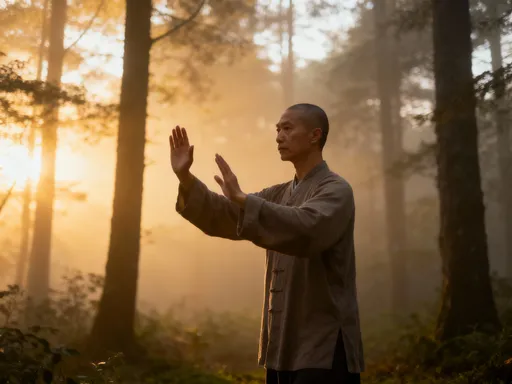
It’s important to clarify what Qi Gong is not. It is not a religious practice, nor does it require any belief system. It is not about achieving supernatural powers or entering trance-like states. Instead, it is a practical, evidence-informed method for improving health and well-being. Think of it as a form of mindful movement, similar in some ways to yoga or tai chi, but with its own unique structure and emphasis. While yoga often focuses on postures and flexibility, and tai chi is practiced as a flowing martial art, Qi Gong is specifically designed to enhance energy flow and internal awareness through simpler, repetitive motions.
The beauty of Qi Gong lies in its accessibility. You don’t need special equipment, a lot of space, or prior experience. Movements are slow, gentle, and can be adapted for people of all fitness levels—even those with limited mobility. A typical session might involve standing with feet shoulder-width apart, gently raising and lowering the arms while coordinating each motion with slow, deep breaths. These actions may seem simple, but their effect on the body is profound.
Modern research supports what practitioners have known for centuries: mindful movement practices like Qi Gong can reduce stress hormones, improve balance, and enhance cardiovascular efficiency. Studies have shown measurable improvements in heart rate variability, a key marker of nervous system resilience, after just a few weeks of regular practice. This growing body of evidence helps bridge the gap between ancient wisdom and contemporary health science, making Qi Gong a credible option for those seeking natural, non-invasive ways to improve their well-being.
Why Your Body Needs Energy Flow—Not Just Exercise
Most modern fitness routines emphasize intensity—how fast you can run, how much weight you can lift, how many calories you can burn. While these forms of exercise have their place, they don’t always address the deeper need for energy renewal. In fact, for someone already experiencing chronic fatigue, high-intensity workouts can sometimes make the problem worse by further depleting an already taxed system. This is where the concept of energy flow becomes essential.
In traditional Chinese medicine, Qi is understood as the vital force that animates all living things. When Qi flows smoothly, the body functions optimally—organs work efficiently, the mind stays clear, and emotions remain balanced. But when Qi becomes stagnant or blocked—due to stress, inactivity, or emotional strain—the result is fatigue, tension, and a weakened immune response. Qi Gong works by gently stimulating the body’s energy pathways, helping to release blockages and restore natural circulation.
This idea aligns closely with modern physiology. What ancient practitioners described as “stagnant Qi” can be understood today as poor circulation, shallow breathing, and dysregulation of the autonomic nervous system. When we’re stressed, our breathing becomes rapid and shallow, our muscles tense, and our blood flow shifts away from digestion and repair. Over time, this creates a state of functional stagnation—similar to a car engine running inefficiently, burning fuel but going nowhere.
Qi Gong counteracts this by activating the parasympathetic nervous system—the “rest and digest” mode. Through slow, rhythmic movements and deep diaphragmatic breathing, it signals the body that it’s safe to relax, repair, and replenish. Research has shown that regular Qi Gong practice can lower cortisol levels, reduce blood pressure, and improve immune function. One study published in the Journal of Alternative and Complementary Medicine found that participants who practiced Qi Gong for eight weeks reported significant reductions in fatigue and improvements in sleep quality compared to a control group.
Perhaps most importantly, Qi Gong teaches the body to recover more efficiently. Instead of pushing through exhaustion, it encourages listening to subtle signals—like a slight tightness in the shoulders or a shallow breath—and responding with gentle movement and awareness. This cultivates a deeper relationship with your body, one based on care rather than demand.
The Core System: Three Pillars of Daily Practice
What makes Qi Gong effective is its structured yet simple framework. It rests on three foundational elements: posture, breath control, and focused attention. These are not isolated techniques but interconnected practices that work together to support energy flow and mental clarity. When practiced consistently, even for just a few minutes a day, they create a powerful cumulative effect.
The first pillar is posture. How you stand or sit directly influences how energy moves through your body. In Qi Gong, the ideal posture is relaxed yet aligned—feet rooted to the ground, spine tall, shoulders soft, and chin slightly tucked. This alignment allows for optimal breathing and circulation. Think of it like tuning an instrument: when everything is in place, the body resonates more freely. Poor posture, on the other hand, compresses organs, restricts breathing, and contributes to fatigue.
The second pillar is breath control. Most people breathe shallowly, using only the upper chest. But in Qi Gong, the breath is deep, slow, and rhythmic, originating from the lower abdomen. This type of breathing—known as diaphragmatic or abdominal breathing—increases oxygen intake, calms the nervous system, and helps regulate heart rate. A useful analogy is to imagine your breath as a battery charger: shallow breathing provides a weak, inconsistent charge, while deep, full breathing fully recharges your energy reserves.
The third pillar is focused attention. This is not about emptying the mind, as in some forms of meditation, but about gently directing your awareness to your body, breath, and movement. When you lift your arms in Qi Gong, you do so with full attention—feeling the muscles engage, noticing the shift in balance, coordinating each motion with the breath. This mindful engagement strengthens the mind-body connection, which is often weakened by years of multitasking and mental distraction.
Together, these three pillars form a self-reinforcing system. Good posture enables better breathing, which supports mental focus, which in turn improves posture and breath. The more you practice, the more natural this alignment becomes—eventually influencing how you sit at your desk, walk through the house, or respond to stress. It’s not about achieving perfection, but about cultivating awareness in everyday moments.
How to Start Without Overwhelm
One of the most common barriers to starting Qi Gong is the fear of doing it wrong or not having enough time. The good news is that Qi Gong is designed to be simple, adaptable, and time-efficient. You don’t need an hour-long session or a special studio. In fact, beginning with just five minutes a day can yield noticeable benefits over time.
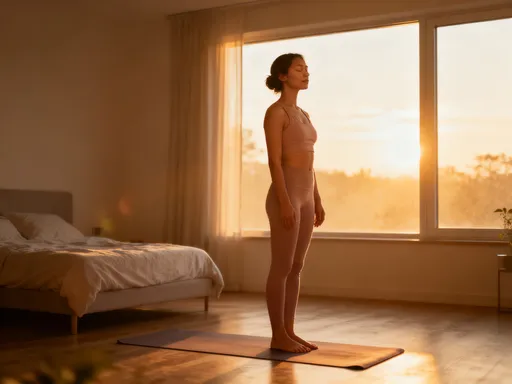
Here’s a basic routine to get started: Stand with your feet shoulder-width apart, knees slightly bent, and hands resting gently at your sides. Take a slow, deep breath in through your nose, feeling your lower abdomen expand. As you inhale, slowly raise your arms out to the sides and up overhead, as if lifting a balloon. Exhale slowly through your mouth, lowering your arms back down in a wide arc. Repeat this motion for five minutes, coordinating each movement with your breath. Let your eyes stay soft, your jaw relaxed, and your focus on the sensation of lifting and lowering.
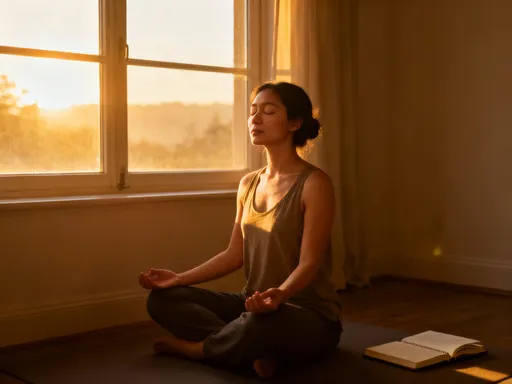
The best times to practice are in the morning to set a calm tone for the day, or in the evening to unwind and release tension. You can do it before breakfast, after brushing your teeth, or while waiting for the kettle to boil. The key is to link it to an existing habit so it becomes a natural part of your routine. Think of it as a daily reset—a quiet moment to reconnect with yourself before the demands of the day begin.
When setting up your practice space, choose a quiet corner where you won’t be interrupted. Wear comfortable clothing that allows for easy movement. You don’t need a mat, though a non-slip surface helps. Most importantly, approach the practice with a gentle mindset. Don’t worry about getting every movement perfect. Qi Gong is not about performance; it’s about presence. If your mind wanders, that’s normal. Just gently bring your attention back to your breath and movement.
Common mistakes to avoid include rushing through the motions, holding tension in the shoulders, or breathing too quickly. Remember, this is not a race. The slower and more mindful you move, the deeper the effect. If you feel any discomfort, adjust your posture or reduce the range of motion. The goal is ease, not effort.
Real Benefits People Notice (Without the Hype)
The benefits of Qi Gong are subtle at first, but they accumulate in meaningful ways. Many women report improved sleep within the first few weeks—falling asleep more easily, waking less during the night, and feeling more refreshed in the morning. This is likely due to the practice’s effect on the nervous system, helping to regulate sleep-wake cycles and reduce nighttime anxiety.
Another common benefit is reduced muscle tension, especially in the neck, shoulders, and back. Because Qi Gong promotes relaxed alignment and deep breathing, it helps release the physical grip of stress. Women who spend long hours at a desk or caring for others often notice they carry less physical strain after a few weeks of practice. Simple actions like turning your head or reaching for a shelf become easier and more fluid.
Mental clarity and focus also improve over time. The practice of coordinating breath and movement trains the brain to stay present, reducing the mental chatter that often accompanies stress. Many find they can handle daily challenges with more patience and perspective. For example, instead of reacting quickly to a frustrating email or a household delay, they pause, take a breath, and respond more calmly.
Emotional steadiness is another frequently reported benefit. Qi Gong doesn’t eliminate emotions, but it creates space between stimulus and response. This allows for greater self-awareness and emotional regulation. Women in midlife, who may be navigating hormonal changes, family transitions, or caregiving roles, often find that Qi Gong provides a grounding presence amid life’s fluctuations.
These changes don’t happen dramatically. There’s no sudden transformation or overnight miracle. But over weeks and months, the cumulative effect is profound. It’s like watering a plant daily—each small action contributes to steady growth. And because the practice is so gentle, it’s sustainable for the long term, unlike more intense regimens that often lead to burnout or injury.
Making It Last: Building a Lifelong Habit
The real power of Qi Gong lies not in occasional practice, but in consistency. Like brushing your teeth or drinking water, it becomes most effective when woven into daily life. The challenge isn’t starting—it’s staying with it, especially when results aren’t immediate. The key is to shift your mindset from seeking quick results to valuing the practice itself.
One way to stay consistent is to track subtle progress. You might not lose weight or gain muscle, but you may notice you’re less reactive, sleep better, or feel more centered. Keeping a simple journal—just a few words each day—can help you recognize these quiet shifts. Phrases like “felt calmer today” or “less tight in shoulders” become markers of progress that reinforce motivation.
Another strategy is to vary your practice to keep it engaging. After mastering the basic five-minute routine, you can explore longer forms, guided audio sessions, or group classes. Some women enjoy practicing outdoors—under a tree, in a garden, or near water—where the natural environment enhances the sense of connection and calm. Others find that joining a local Qi Gong group provides social support and accountability.
Over time, the practice can deepen in meaningful ways. You may begin to notice how the principles of Qi Gong—mindful breathing, relaxed posture, present-moment awareness—naturally extend into other areas of life. You might find yourself standing more upright while cooking, breathing more deeply during a phone call, or pausing to reset before responding to a stressful situation. These small shifts reflect a deeper integration of the practice into your daily rhythm.
Ultimately, Qi Gong is not a trend or a temporary fix. It’s a lifelong tool for health, resilience, and self-care. In a world that often measures worth by productivity and output, it offers a different kind of strength—one rooted in balance, awareness, and quiet endurance. It’s not about doing more, but about being more present with what you already have.
Qi Gong isn’t about dramatic transformation—it’s about returning to balance, one breath at a time. In a world that glorifies speed and output, this quiet system offers something radical: presence, resilience, and lasting energy. By understanding its principles and practicing with patience, anyone can tap into a deeper well of health. It’s not magic—it’s method. And it’s available to you, right now.